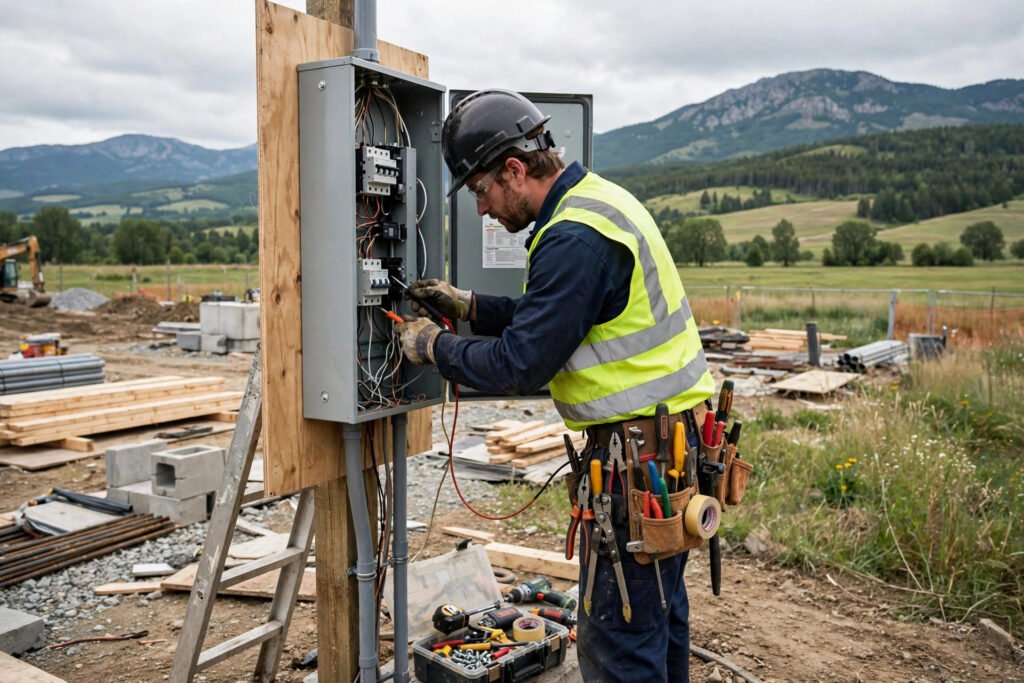
Electricians enjoy strong demand, solid pay, and a career that cannot be outsourced or automated away. If you are wondering how to become an electrician, the route is well established: training, supervised experience, licensing, and then a lifetime of well-paid skilled work. This guide maps every step, compares training routes, and sets out realistic salary expectations.
What Electricians Actually Do
The trade splits into three main areas. Residential electricians wire homes, install lighting and consumer units, and fault-find domestic systems. Commercial electricians work on offices, shops, and public buildings with larger three-phase systems. Industrial electricians maintain factories, plants, and heavy machinery. Many electricians start broad and specialise later. Emerging areas like electric vehicle chargers, solar installations, and smart home systems are creating lucrative niches for newly qualified electricians.
Training Routes Compared
Apprenticeship (Recommended)
The gold standard: paid on-the-job training combined with college study, typically lasting three to four years. You earn while you learn, finish with recognised qualifications, and graduate with the experience employers demand. Competition for apprenticeship places is strong, so apply broadly and early.
College Course Then Work Experience
Full-time technical diplomas teach the theory and practical skills in one to two years. You then need to find work as an electrician mate or improver to build the supervised hours required for full qualification. Faster in the classroom, but you must hustle for the site experience afterwards.
Career Changer Intensive Courses
Private training centres offer intensive programmes for adults, sometimes completed in months. These suit career changers who can study full time, but verify the qualifications are genuinely recognised by industry bodies before paying, as quality varies widely.
Licensing and Qualifications
- UK: Level 3 diploma plus NVQ portfolio, then 18th Edition wiring regulations; many join a competent person scheme for domestic work.
- US: state licensing as journeyman after typically four years and an exam; master electrician status follows with further experience.
- General: keep certifications current, as wiring regulations update regularly and employers check.
Salary Expectations
Qualified electricians earn well. In the UK, employed electricians typically make 32,000 to 45,000 GBP, with self-employed electricians often exceeding 50,000 GBP. In the US, the median pay is around 60,000 USD, rising above 100,000 USD for experienced specialists and contractors in high-demand cities. Overtime, call-out fees, and specialist work in areas like solar or industrial maintenance push earnings higher still.
Your Step-by-Step Plan
- Research your local licensing requirements before spending any money on courses.
- Apply for apprenticeships through trade bodies, large contractors, and job portals.
- If no apprenticeship is available, enrol in a recognised college diploma.
- Work as a mate or improver to log supervised hours diligently.
- Pass your licensing exams and wiring regulation assessments.
- Consider specialising in EV charging, solar, or smart systems for premium rates.
- Build towards self-employment once you have five years of solid experience.
Many training providers offer evening and weekend courses designed for people already working, so you can start learning while keeping your current income. Some employers in facilities management even sponsor promising staff through electrician qualifications.
Key takeaway: Becoming an electrician takes three to four years through the apprenticeship route, but delivers a secure, well-paid trade for life. Verify local licensing rules first, prioritise recognised qualifications over quick courses, log every hour of supervised experience, and specialise in growth areas like solar and EV charging to maximise earnings.
Frequently Asked Questions
How long does it take to become a qualified electrician?
Typically three to four years via apprenticeship, combining paid work with study. College routes can shorten classroom time to one or two years, but you still need supervised site experience before full qualification.
Is 30 too old to become an electrician?
Not at all. Many electricians start in their thirties and forties as career changers. Maturity, reliability, and existing work skills are genuine advantages, and intensive courses are designed with adult learners in mind.
Do electricians earn more employed or self-employed?
Self-employed electricians generally earn more, often 30 to 50 percent above employed rates, but must handle marketing, admin, insurance, and quiet periods. Most start employed to build skills and contacts, then go independent after several years.
Is the work physically demanding?
Yes. Expect ladders, roof spaces, lifting, and working in all weathers on construction sites. Fitness matters, though many electricians transition into supervisory, estimating, or inspection roles as their careers progress.