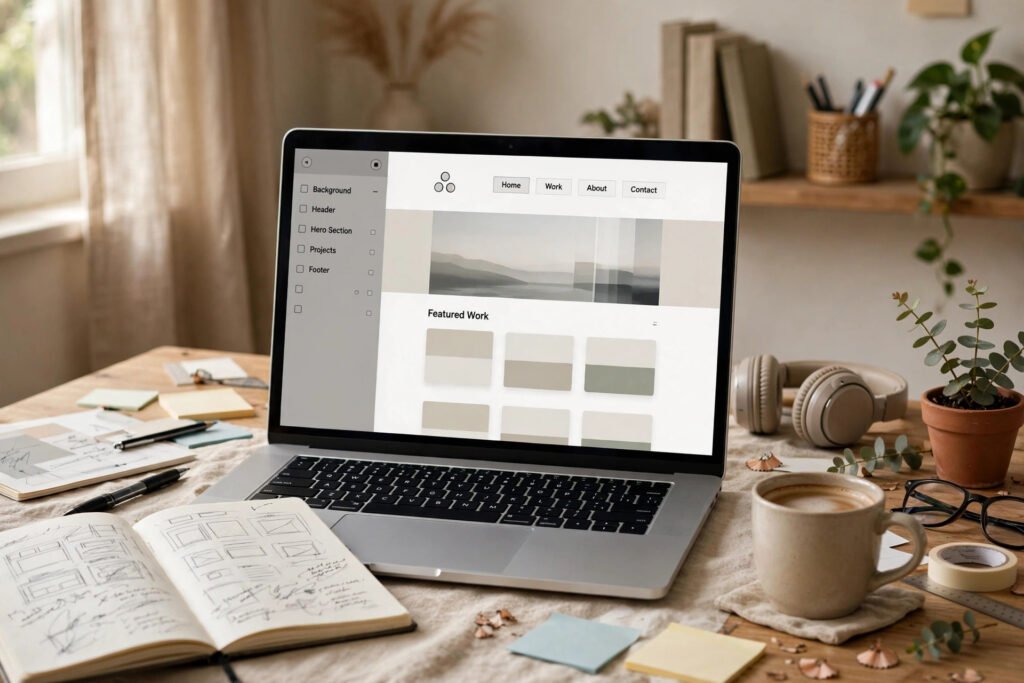
Freelance web design is one of the most accessible online careers: no degree is required, startup costs are near zero, and demand for websites keeps growing. This freelance web designer no experience guide gives you a realistic step-by-step plan, from learning the basics with zero background to landing your first paying client.
Can You Really Start With Zero Experience?
Yes, with one honest caveat. Clients do not pay for your years of experience; they pay for the result you deliver. That means you must reach a level where your websites look professional and work reliably before charging. Most beginners reach that point within three to six months of focused practice. Nobody will ask for your employment history if your portfolio looks strong and your communication is professional.
Skills to Learn First
Resist the urge to learn everything. Freelance clients need a small set of skills done well.
Design Fundamentals
- Layout, spacing, typography, and colour theory basics.
- Designing for mobile screens first, then desktop.
- Creating simple wireframes before writing any code.
Technical Tools
- HTML and CSS – the non-negotiable foundation of every website.
- WordPress – powers a huge share of client sites and speeds up delivery enormously.
- Figma – for creating mockups that clients can approve before build.
- Basic JavaScript – enough to add interactive elements like sliders and forms.
Building a Portfolio From Scratch
With no clients yet, create your own briefs. Redesign a local restaurant website that looks outdated, build a landing page for an imaginary fitness coach, and create a portfolio site for a fictional photographer. Treat each as a real client project with a timeline and a written brief. Three to five polished case studies are enough to start. For each one, show the before state, explain your design decisions, and display the final result with screenshots and a live demo link.
Finding Your First Clients
- Friends, family, and local businesses – offer a discounted first project in exchange for a testimonial.
- Freelance platforms – Upwork and Fiverr have fierce competition, so specialise in a niche like restaurant websites.
- Cold outreach – email ten local businesses per day whose websites are clearly outdated, with one specific improvement suggestion.
- Social media – share your redesigns and process on LinkedIn, X, and Instagram to attract inbound interest.
- Job boards – many companies post freelance and contract web design work alongside full-time roles.
Pricing Your First Projects
Beginners typically charge between 200 and 800 USD for a simple brochure website, depending on the market. Price per project, not per hour, so efficiency rewards you. Always take a 50 percent deposit before starting work. As your portfolio and testimonials grow, raise your rates with every third or fourth client. Within a year, many freelancers charge 1,500 to 3,000 USD per project.
Growing From Beginner to Full-Time Freelancer
Once you have five happy clients, systematise. Create proposal and contract templates, standardise your design process, and ask every client for a review and referrals. Add one premium service such as SEO setup or ongoing maintenance retainers, which create recurring monthly income. The freelancers who succeed long term treat the business side, marketing, contracts, and client communication, as seriously as the design work.
Key takeaway: You do not need experience to start freelance web design; you need demonstrable skill. Learn HTML, CSS, and WordPress, build five strong self-initiated projects, then find first clients through local outreach and freelance platforms while charging project rates with deposits.
Frequently Asked Questions
How long does it take to become a freelance web designer?
Most beginners can learn enough to take paid work within three to six months of consistent daily practice. Reaching a full-time income typically takes twelve to eighteen months of steady client acquisition and rate increases.
Do I need to know how to code?
HTML and CSS are essential, and basic JavaScript helps. However, much freelance work can be delivered with WordPress and page builders once you understand design fundamentals. Coding knowledge still gives you an edge for customisation and troubleshooting.
How do I get clients with no portfolio?
Build one first through self-initiated projects. Redesign existing local business websites as concept work, create fictional client briefs, and publish everything as case studies. Three strong pieces of concept work outperform an empty portfolio every time.
Should I use Fiverr or find clients directly?
Use both. Platforms provide fast first orders and reviews, while direct outreach to local businesses typically pays better and builds longer relationships. Aim to shift towards direct clients as your reputation grows.